
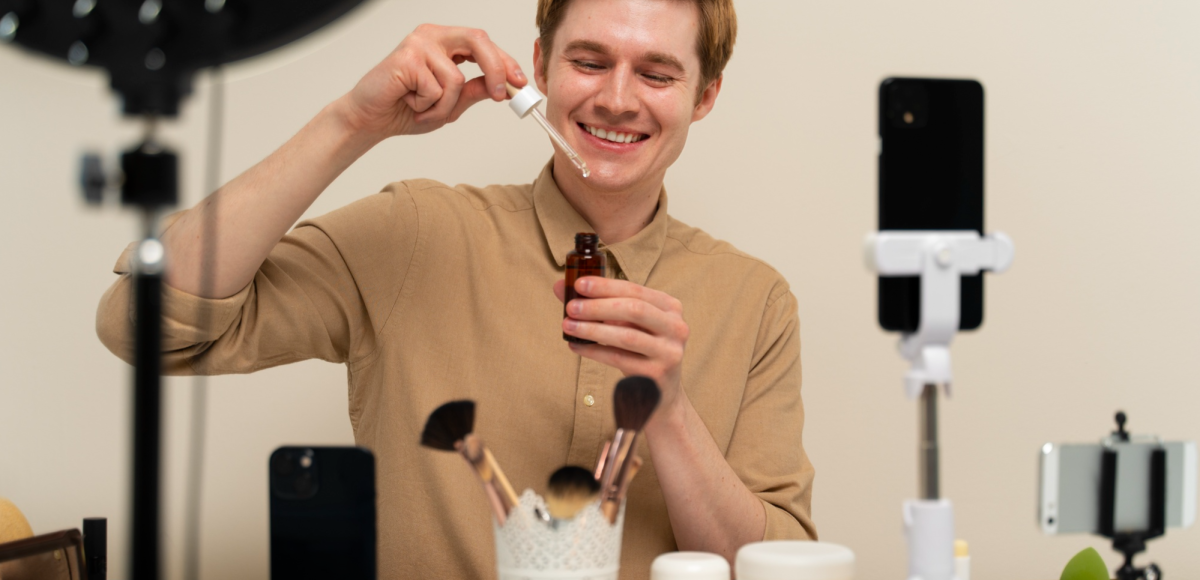
Influencer Forecast December 2025: Who Drove Conversions?
Introduction
Influencer forecast and marketing in December 2025 reached its most competitive season yet. With social commerce booming, AI-powered recommendation engines shaping feeds, and consumers becoming more selective, brands faced a crucial question: Which influencers actually drove conversions during the holiday peak?
This report-style breakdown highlights the creator types, behaviors, and platforms that delivered real purchasing power—helping brands plan stronger influencer strategies for 2026. How does Influencer Forecast in 2025 affect 2026?
1. Micro & Nano Influencers Outperformed Big Names
2025 proved again that influences ≠ follower count.
Why micro (10k–100k) and nano (1k–10k) creators converted better:
- Higher audience trust
- More personal and community-driven interactions
- Niche recommendations that feel “authentic.”
- Lower ad fatigue compared to celebrity influencers
Top-performing niches:
- Beauty & skincare
- Personal finance
- Home organization
- Gaming peripherals
- Lifestyle “daily routine” creators
Brands investing in 10–20 small creators saw higher ROI than those spending heavily on one macro star.
2. TikTok Shop Creators Dominated the Holiday Rush
TikTok Shop remained the conversion king for December 2025.
What drove conversions:
- Seamless in-app checkout
- Strong product demo culture
- Short, persuasive UGC-style videos
- Real-time livestream shopping with limited-time offers
Creators who excelled:
- Daily review creators (“I try the trending item so you don’t have to”)
- Budget holiday gift curators
- Cosplayers and hobby creators with passionate communities
Brands with a TikTok Shop integration saw up to 40–70% higher conversion driven by creator content.
3. AI-Assisted Influencers Rose With Mixed Results
2025 saw a surge in:
- AI-generated VTubers
- Virtual lifestyle influencers
- Brand-owned AI ambassadors
Conversion performance:
- High engagement
- Good top-of-funnel reach
- Moderate conversions
- Weak trust compared to human creators
AI influencers worked best in:
- Tech and gadget campaigns
- Fashion lookbooks
- Digital products
But for high-trust categories (like skincare), humans still dominated holiday sales.
4. Long-Form Creators Quietly Outperformed in High-Value Purchases
While short-form remained king for impulse buys, long-form creators on YouTube drove bigger cart values.
Best-performing content formats:
- 20–40 minute gift guides
- “Things I Actually Bought This Year”
- Honest product comparisons
- Productivity + tech reviews
These creators excelled because they offer:
- More context
- More trust
- Deeper reviews
- Less “ad-like” content
For products above ~$50, YouTube creators had the highest conversion rates across platforms.
5. Livestreamers Became Holiday Sales Engines
Livestream commerce exploded in 2025, especially on:
- TikTok
- Instagram Live
- YouTube Live
- Shopee Live (SEA markets)
Who converted best:
- Charismatic hosts with fast-paced demonstrations
- Creators running “holiday-only discounts.”
- Streamers using “spin-the-wheel,” flash sales, and gifting mechanics
Livestream conversion was strongest in:
- Cosmetics
- Snacks
- Fashion
- Small electronics
Viewers converted because of urgency + entertainment + personal recommendation happening in real time.
6. Trust-Based Niches Became the Surprise Winners
Categories where audiences demand credibility exploded in conversion performance:
Top trust-driven creators:
- Dermatologist or skincare professionals
- Nutritionists
- Personal finance educators
- Tech reviewers
- DIY/home repair creators
Audiences valued:
- Evidence
- Expertise
- Transparent comparisons
Brands in 2025 increasingly partnered with “pro-creators” instead of lifestyle influencers alone.
7. What Didn’t Work This December
Not everything hit conversion goals. Underperformers included:
- Over-scripted brand ads disguised as content
- Celebrities promoting mass-appeal products with no niche relevance
- AI-generated reviews without disclosure
- Instagram static photo campaigns
- Creators pushing too many products at once
Consumers in 2025 saw through forced promotions quickly.
8. What Brands Should Do for 2026
1. Build multi-tier influencer funnels:
Use nano + micro for conversions, macro for awareness.
2. Prioritize TikTok-native creators:
Especially for low- to mid-tier price ranges.
3. Collaborate long-term, not one-shot:
December data shows that longer partnerships improve trust.
4. Invest in livestream commerce early:
Train creators, prepare scripts, create bundles.
5. Combine experts with relatable creators:
Trust + relatability = strongest holiday conversions.
6. Track performance with real metrics:
Focus on:
- Cost per conversion
- Retention after influencer exposure
- Add-to-cart attribution
- Creator-driven repeat purchases
Conclusion
The influencer forecast of December 2025 proved that the future of influencer marketing is authentic, niche-driven, and platform-native. The creators who won weren’t always the biggest, but the ones who delivered trust, relevance, and seamless shopping experiences. As brands enter 2026, the winners will be those who adopt smarter creator mixes, embrace livestream commerce, and invest in creators who genuinely move audiences to act and not just scroll. Visit our website at https://metasocial.co.id/ and our Instagram at @metasocial to use our service.

Leave a Comment